
In the fast-paced world of industry, businesses are constantly looking for opportunities to gain an edge, optimize operations, and secure long-term sustainability. While many focus on technological advancements in production or marketing strategies, there’s a foundational element often overlooked that can significantly impact a company’s future: water quality. Specifically, investing in an industrial Reverse Osmosis (RO) system isn’t just a cost, it’s a strategic investment in purity that delivers remarkable long-term benefits for your business.
We live in an age where “good enough” water simply isn’t good enough for critical industrial processes. Raw water, sourced from municipal supplies or groundwater, often contains a cocktail of dissolved minerals, organic compounds, bacteria, and other contaminants. These impurities, while invisible to the naked eye, silently chip away at your operational efficiency, compromise product quality, and accelerate equipment depreciation. If you’re running a business that relies on consistent, high-quality water – and let’s face it, most industries do – then the question isn’t if you need advanced water treatment, but what kind and how much it will ultimately save you.
Beyond the Immediate: The True Value of Industrial RO
When considering an industrial RO system, it’s easy to focus on the upfront capital expenditure. However, the real story unfolds over years of operation, as the cumulative benefits far outweigh the initial investment. Let’s delve into the long-term advantages that make industrial RO a wise and strategic choice for any forward-thinking business.
1. Sustained Equipment Longevity: Protecting Your Assets
Imagine the sheer cost of replacing a boiler, a heat exchanger, or critical processing machinery prematurely. A substantial portion of industrial equipment degradation is directly attributable to poor water quality. Hardness minerals (calcium, magnesium) lead to scale buildup, which insulates heat transfer surfaces, reduces flow, and causes components to overheat or wear down. Corrosive elements can pit and degrade metal, leading to leaks and structural failures.
Industrial RO effectively removes these detrimental impurities. By delivering water that is virtually free of dissolved solids, it dramatically reduces scale formation and corrosion. This translates directly into:
- Extended lifespan of machinery: Your expensive capital equipment will last significantly longer, delaying costly replacement cycles.
- Reduced maintenance frequency: Less scale and corrosion mean fewer repairs, less downtime for cleaning, and lower labor costs for maintenance teams.
- Optimal operational performance: Equipment consistently runs at peak efficiency without fighting against internal obstructions.
This isn’t just a small saving; it’s a fundamental shift that protects your most valuable physical assets over the long haul.
2. Consistent Product Quality and Reduced Rework
In many industries, water isn’t just for cooling or cleaning; it’s an integral component of the final product. Think about pharmaceuticals, food and beverage, cosmetics, or semiconductor manufacturing. Even minute variations in water purity can lead to inconsistent product batches, off-spec products, or even complete product rejection.
Industrial RO provides a reliable, consistent source of ultrapure water. This consistency eliminates water-related variables from your production process, leading to:
- Higher product consistency and quality: Ensuring every batch meets the same stringent standards.
- Reduced product rework and waste: Less material and energy are wasted on products that don’t meet specifications due to water issues.
- Enhanced brand reputation: Customers trust a consistent, high-quality product, strengthening your market position.
The long-term impact here is not just about saving money on discarded products, but about building a reputation for excellence and reliability.
3. Lowering the Energy Bill, Year After Year
Energy consumption is a major operational cost for most industries. When scale builds up in boilers, heat exchangers, and cooling towers, they become less efficient at transferring heat. This forces your systems to consume more energy – more fuel for boilers, more electricity for chillers and pumps – to achieve the desired output.
By supplying demineralized water, industrial RO prevents this insulating scale layer from forming. The result is consistently efficient heat transfer and fluid dynamics, leading to:
- Significant and sustained energy savings: Lower utility bills month after month, year after year.
- Optimized system performance: Your thermal and fluid systems operate closer to their design specifications.
These energy savings accumulate over time, becoming a substantial contributor to your bottom line.
4. Environmental Stewardship and Regulatory Compliance
In today’s world, environmental responsibility isn’t just good PR; it’s often a regulatory necessity and a consumer expectation. Industrial RO systems can significantly contribute to your company’s sustainability goals by:
- Enabling water recycling and reuse: High-purity permeate from RO can be reused in many applications, drastically reducing your fresh water intake and wastewater discharge volumes. This is a game-changer for water-stressed regions or businesses looking to reduce their environmental footprint.
- Reducing chemical usage: With impurities physically removed by RO membranes, the need for chemical scale inhibitors, dispersants, and anti-corrosives often diminishes. This saves on chemical costs and reduces the environmental impact of chemical discharge.
Achieving and maintaining regulatory compliance becomes easier, and your commitment to a greener operation can enhance your brand image and appeal to environmentally conscious stakeholders.
The Verdict: Invest Smart, Grow Strong
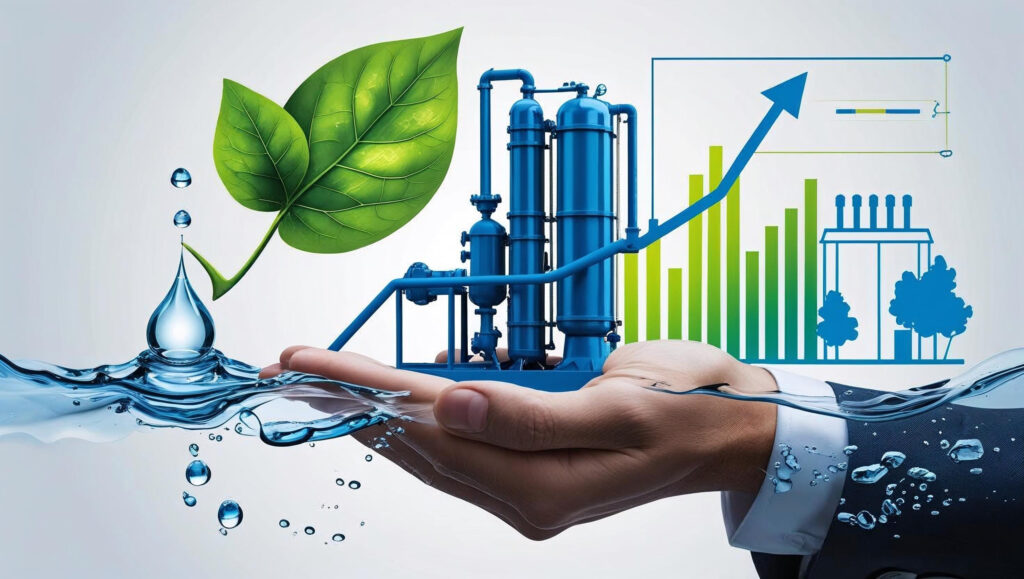
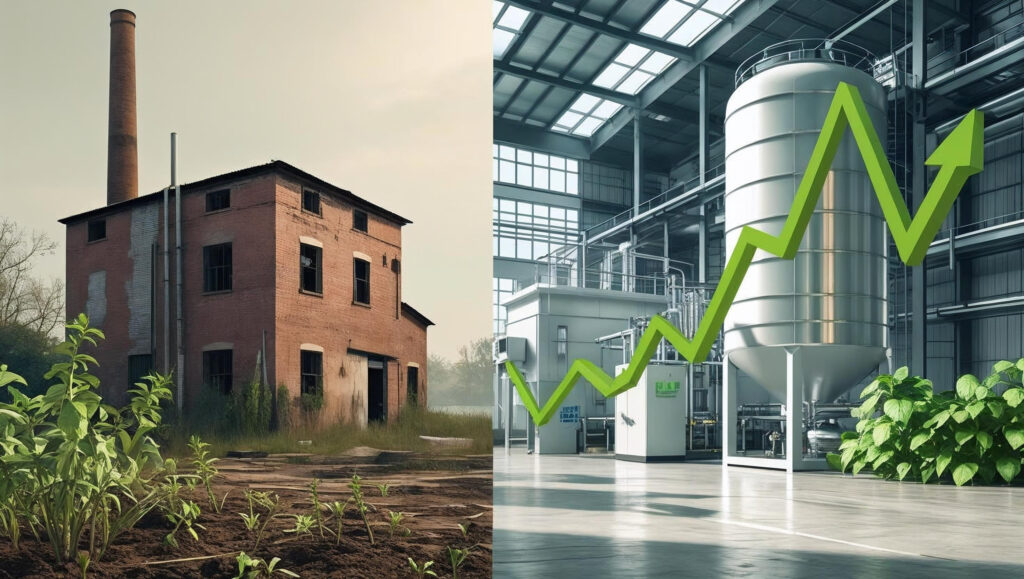
The initial outlay for an industrial RO system should be viewed not as an expense, but as a strategic investment in the future resilience and profitability of your business. The long-term benefits – extended equipment life, consistent product quality, significant energy and chemical savings, reduced downtime, and enhanced environmental stewardship – far outweigh the upfront cost.
In an increasingly competitive and resource-constrained world, businesses that invest in foundational technologies like industrial RO are the ones truly building for purity, efficiency, and sustainable growth. It’s an investment that pays dividends for years to come, securing your place at the forefront of your industry.